A cancer diagnosis changes life in an instant, but it doesn’t define the future. Advances in treatment and early detection mean that more people are surviving cancer and living longer, fuller lives than ever before. Today, nearly 18 million Americans are cancer survivors, and that number continues to grow.
Survivorship brings its own challenges and opportunities. From ongoing monitoring to emotional well-being, patients need support long after treatment ends. At Iowa Radiology, we believe imaging is only the beginning. We provide not just scans, but insights that guide future care, helping patients and providers make informed decisions at every step of the survivorship journey.
Ongoing Imaging in Survivorship
After treatment, regular imaging plays a critical role in monitoring for recurrence and assessing long-term health. The type and frequency of imaging depends on the cancer type, stage, and treatment history.
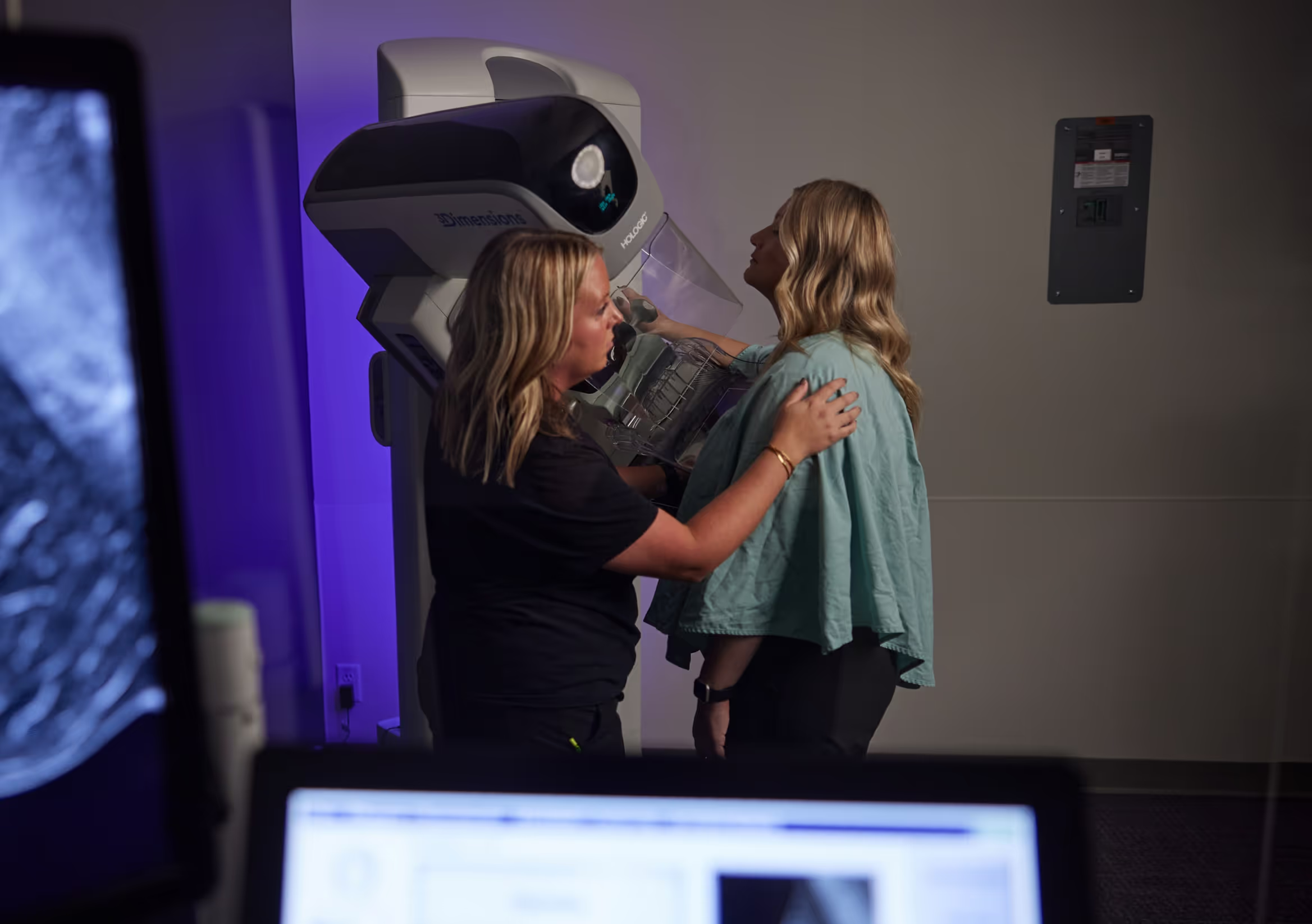
- Breast cancer survivors may need annual mammograms or breast MRI to monitor for recurrence or new cancers.
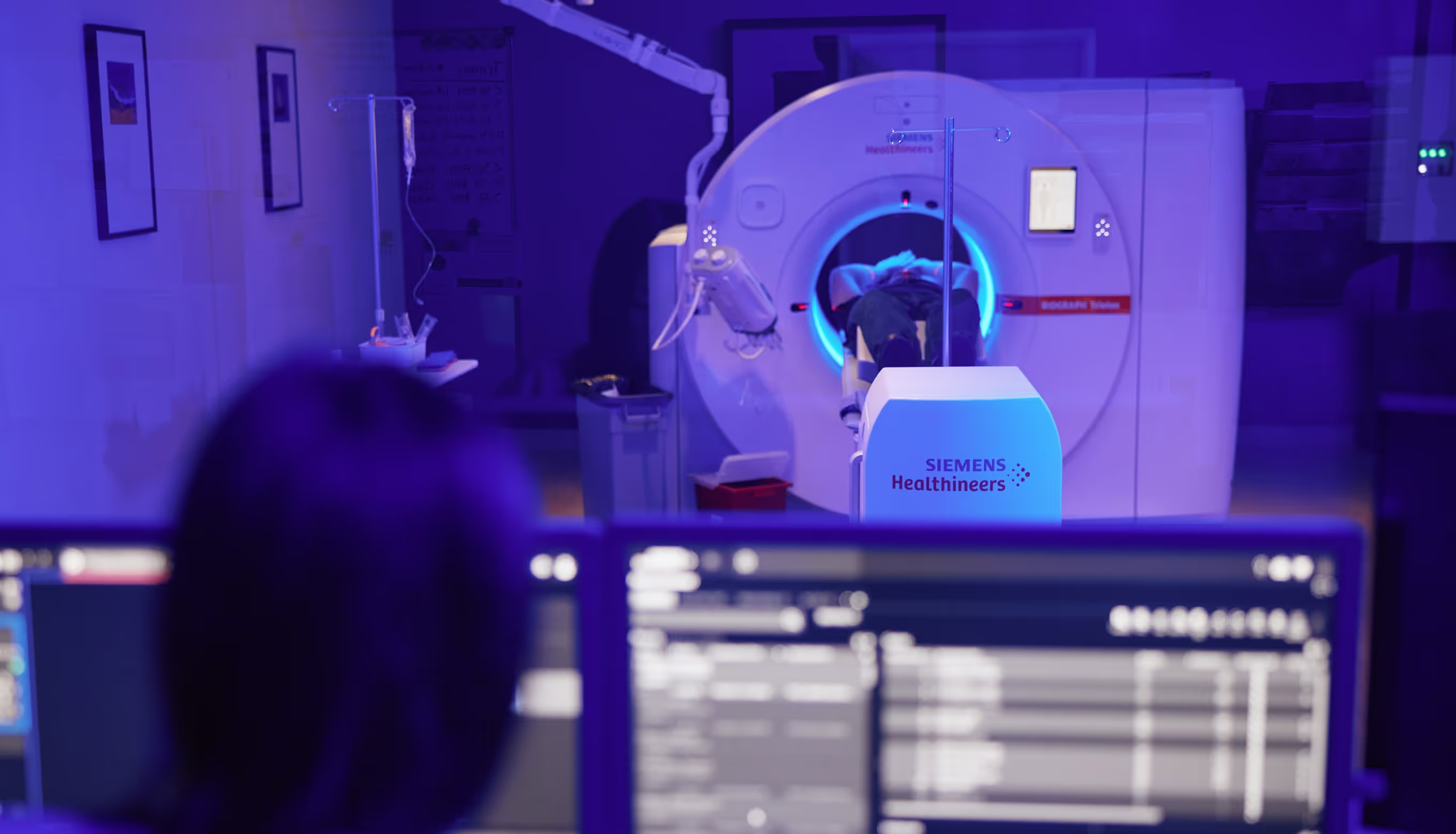
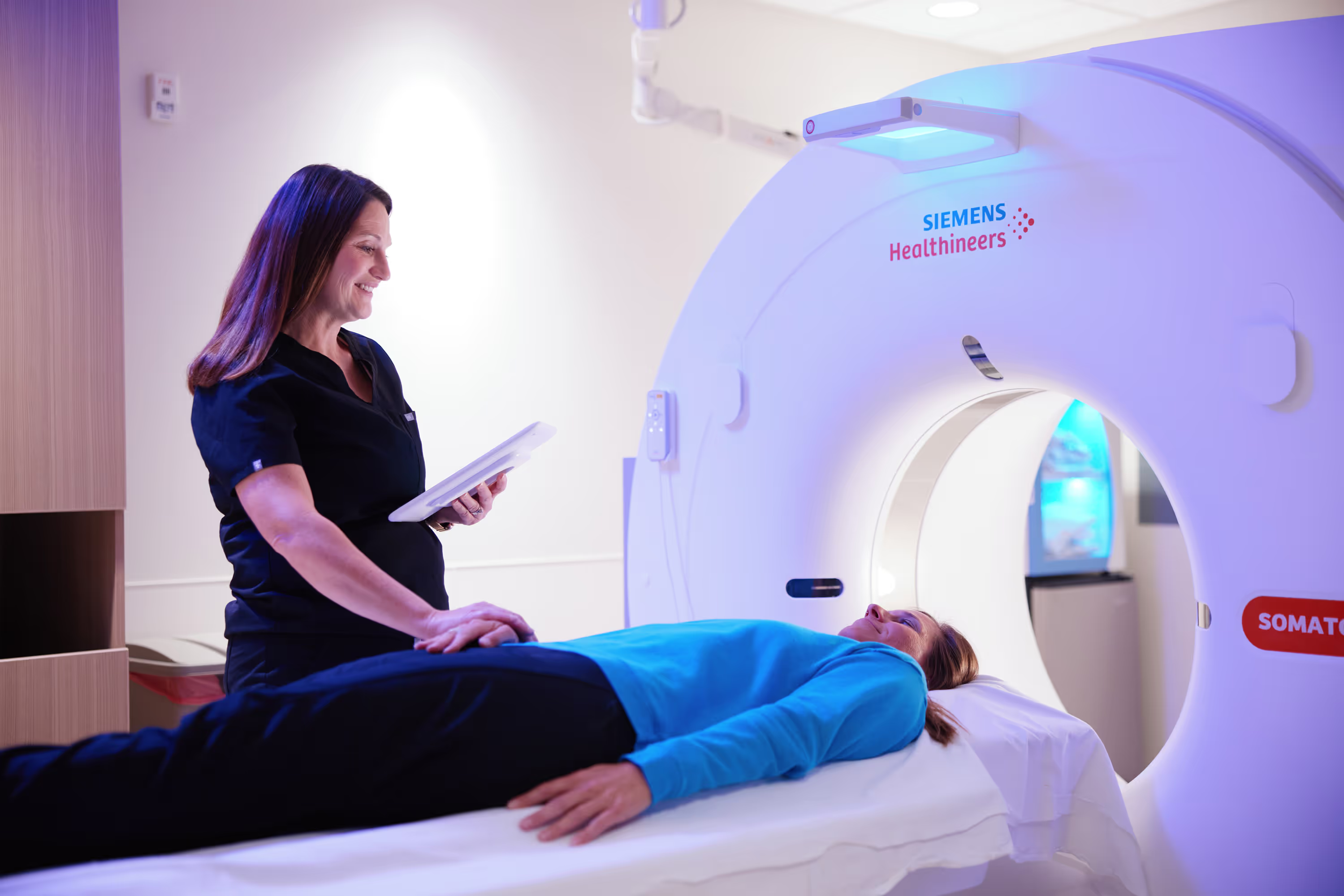
- Lung cancer survivors often require periodic CT scans to track changes in the lungs.
- Prostate cancer survivors may have prostate MRI if PSA levels rise after treatment.
How Iowa Radiology Helps
Our radiologists collaborate with your oncology team to provide precise, timely imaging that informs follow-up care. We understand that waiting for results can be stressful, which is why we prioritize efficiency and clear communication.
Emotional and Practical Support
Cancer survivorship is more than a medical journey; it’s also emotional, social, and practical. Many survivors experience anxiety about recurrence, changes in body image, or uncertainty about the future.
How Iowa Radiology Helps
While we are not the only support system, we partner with providers to connect patients to survivorship resources and support networks. By delivering clear results quickly, we help reduce the anxiety of waiting and empower patients with knowledge about their health.
Breast Cancer Survivorship – A Closer Look
For breast cancer survivors, follow-up care often includes both routine imaging and supportive care:
- Imaging. Annual mammograms remain important, even after lumpectomy or mastectomy. Breast MRI may be recommended in higher-risk cases.
- Hormone Therapy Monitoring. Many survivors take hormone therapy for years after treatment. Imaging helps monitor therapy effectiveness and check for recurrence.
- Resources and Support. Survivorship groups, counseling, and wellness programs play an important role in recovery.
At Iowa Radiology, our breast imaging team is dedicated to providing fast, reliable results so patients and their care teams can move forward confidently.
Living Well After Cancer
Survivorship also means focusing on overall health:
- Staying physically active.
- Eating a balanced diet.
- Maintaining regular checkups with primary care providers.
- Managing late effects of treatment, such as bone health or heart health.
Imaging supports this whole-body approach. For example, a DEXA scan may be used to check for osteoporosis, particularly in patients whose treatments affect bone density.
Why Choose Iowa Radiology in Cancer Survivorship?
- Trusted Partner. We work hand in hand with oncologists and primary care providers to support long-term health.
- Specialized Expertise. Our large team includes radiologists with deep knowledge in breast, body, neuro, and musculoskeletal imaging.
- Accessible Care. Follow-up imaging fits more easily into life after treatment.
- Insight Beyond Imaging. We provide clarity that guides next steps, reducing uncertainty and empowering patients in their survivorship journey.
Moving forward with confidence.
Cancer survivorship is about more than just living after treatment–it’s about living well. At Iowa Radiology, we’re committed to being a trusted partner long after the initial diagnosis, offering imaging that supports healing, monitoring, and peace of mind.
If you or a loved one is a cancer survivor, talk with your provider about the role imaging should play in your follow-up care. Ask for a referral to Iowa Radiology, where we deliver insights that guide care every step of the way.