Cancer touches nearly every family in some way, and it remains one of the leading causes of death in the United States. The good news is that survival rates are improving, thanks in large part to advances in screening. Early detection allows physicians to find cancer before symptoms appear–when treatment is most likely to be successful.
At Iowa Radiology, we believe imaging is only the beginning. With a collaborative team approach and multiple convenient locations across the Des Moines metro, we provide screenings that deliver not just images, but insights that guide care. Here’s what every patient should know about the most common types of cancer screening.
Colorectal Cancer Screening
Colorectal cancer is the second-leading cause of cancer-related deaths in the U.S., but it is also one of the most preventable. Most people should begin screening at age 45.
CT Colonography (Virtual Colonoscopy)
Iowa Radiology offers CT colonography, a safe, minimally invasive exam that uses advanced CT imaging to provide detailed views of the colon and rectum. Unlike traditional colonoscopy, this test does not require sedation, involves less preparation, and allows patients to return to normal activities immediately afterward.
How Iowa Radiology Helps
Our radiologists interpret CT colonography results with precision and share findings directly with your provider. If abnormalities are detected, your physician will recommend the next steps, ensuring you receive timely and informed care.
Breast Cancer Screening
Breast cancer affects one in eight women, making routine screening essential. The American College of Radiology recommends annual screening mammograms beginning at age 40 for women at average risk.
3D Digital Mammography
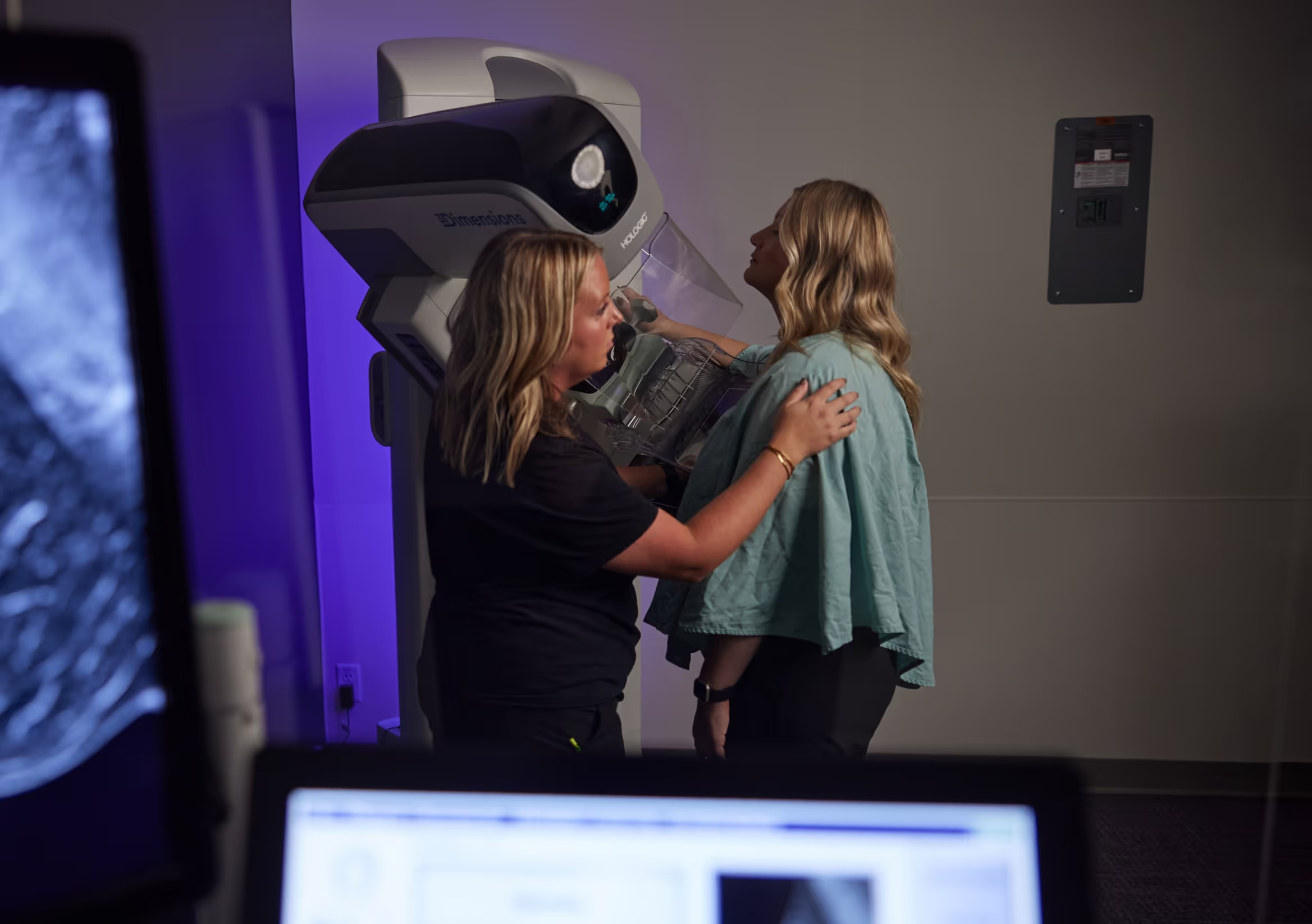
At Iowa Radiology, we offer 3D digital mammography (tomosynthesis), which improves cancer detection and reduces the chance of false positives, especially in women with dense breast tissue. For patients at higher risk, supplemental imaging such as breast MRI or ultrasound may be recommended.
How Iowa Radiology Helps
Our large team of subspecialized breast radiologists provides timely, precise interpretations. We also strive to deliver results as quickly as possible, reducing the stress of waiting and allowing you and your physician to make informed decisions about next steps.
Lung Cancer Screening
Lung cancer is the leading cause of cancer deaths, in part because it is often diagnosed at an advanced stage. Low-dose CT (LDCT) screening is the only recommended screening test for lung cancer.
Low-dose CT (LDCT) Screening
Guidelines recommend annual LDCT screening for adults aged 50–80 who have a 20 pack-year smoking history and currently smoke or quit within the past 15 years.
How Iowa Radiology Helps
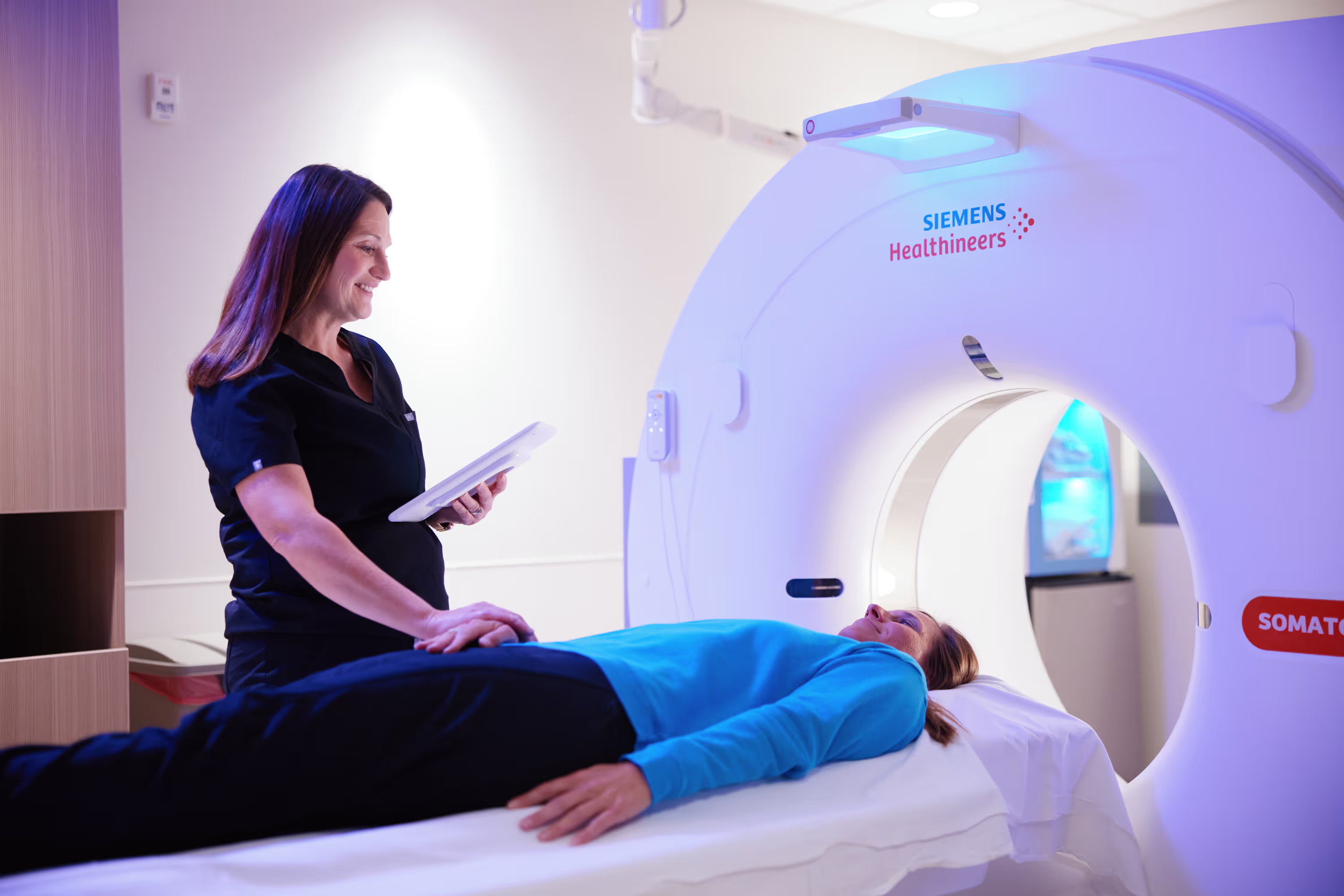
Iowa Radiology provides LDCT scans using advanced technology that minimizes radiation exposure while producing clear, detailed images. Our radiologists interpret these scans with expertise and communicate results directly to your provider, ensuring that if further testing or treatment is needed, the path forward is clear.
Prostate Cancer Screening
Prostate cancer is one of the most common cancers in men. Screening often begins with a prostate-specific antigen (PSA) blood test ordered by a primary care provider or urologist.
Prostate MRI
If PSA results are abnormal, imaging such as prostate MRI can help determine whether cancer is present and guide biopsy decisions.
How Iowa Radiology Helps
Iowa Radiology provides prostate MRI exams with specialized interpretation that supports urologists in developing personalized treatment plans.
Gynecologic, Testicular, & Ovarian Cancer
Unlike breast, colorectal, and lung cancers, there are no standard population-wide screening tests for gynecologic or ovarian cancers. Awareness of symptoms–such as persistent bloating, pelvic pain, or abnormal bleeding–remains critical. Testicular cancer is most often detected through self-exams, particularly in younger men.
How Iowa Radiology Helps
When symptoms or risk factors are present, imaging is essential. Iowa Radiology uses ultrasound, MRI, and CT to evaluate gynecologic, ovarian, and testicular conditions, providing answers that help patients and physicians act quickly.
Why Choose Iowa Radiology?
- Collaborative Team. Our radiologists work closely with providers to ensure patients receive the right follow-up and care.
- Subspecialty Expertise. A large team means each exam is read by someone with deep experience in that area of imaging.
- Accessible Locations. With multiple sites across the Des Moines metro, it’s easier to schedule and keep up with routine screenings.
- Guidance Beyond Imaging. We interpret more than just pictures; we deliver insights that help chart the next step in your care.
Take the next step
If you’re due for a screening or unsure of which tests are right for you, talk to your provider and ask for a referral to Iowa Radiology. Together, we can take a proactive approach to cancer prevention and give you the peace of mind that comes from knowing you’re looking after your health.